La Galactapedia et la starmap de RSI : l'histoire, les peuples, les sociétés et les systèmes du 'Verse.
Textes officiels de RSI, en anglais.
130 articles
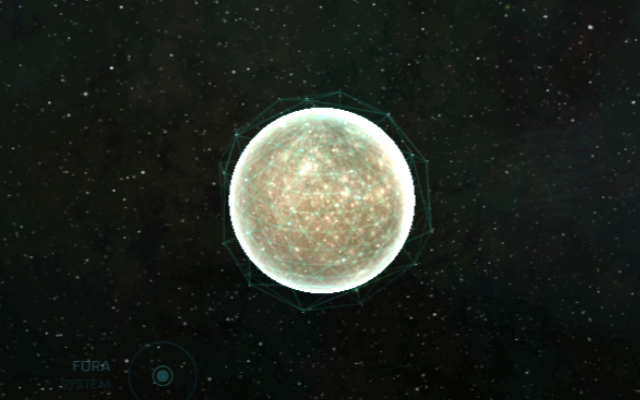
Callisto (Sol 5d)
Moons
Callisto (Sol 5d) is a moon of Jupiter (Sol V), United Empire of Earth (UEE). Of all the celestial bodies in the Sol system, Callisto's surface is the most heavily cratered. Because it has never been geologically active, it is home to multiple sealed settlements and a handful of…
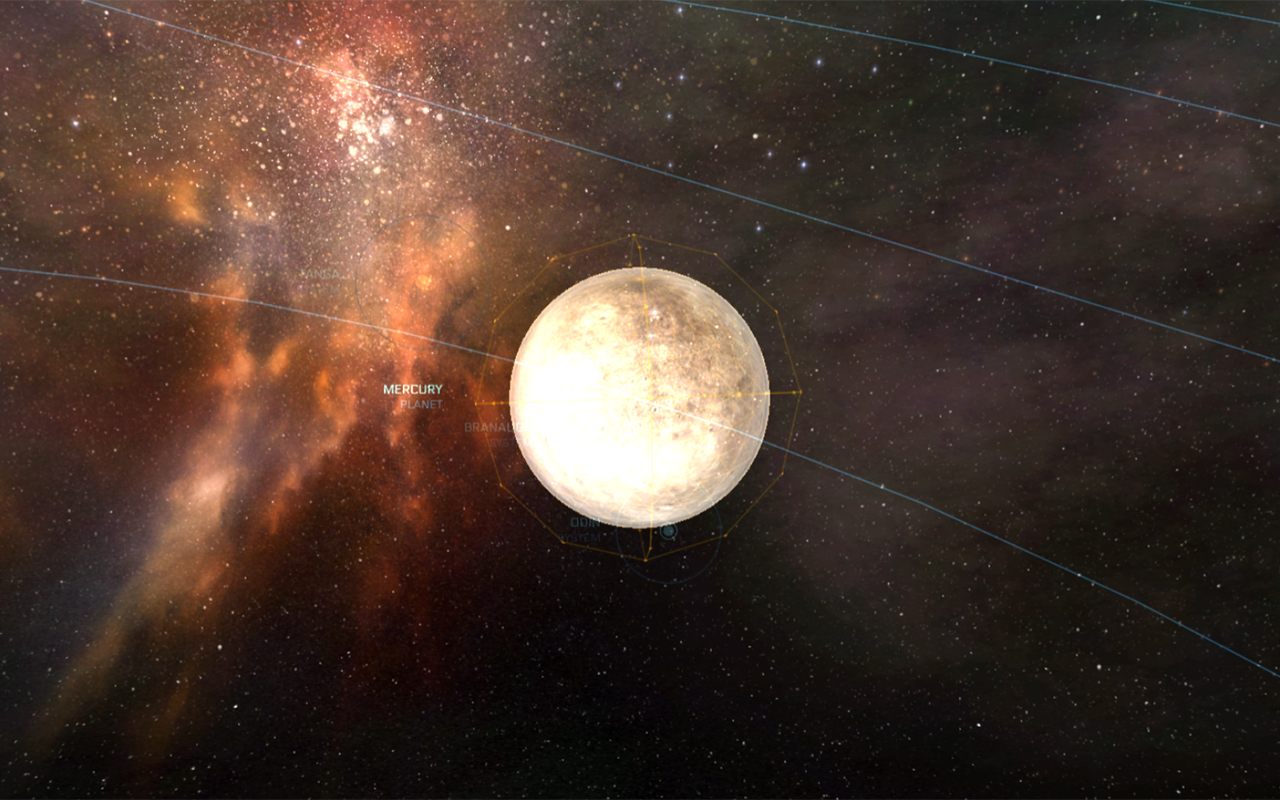
Mercury (Sol I)
Planets
Mercury (Sol I) is the first planet from the sun of the Sol system, United Empire of Earth (UEE). An iron planet, has been extensively mined and stripped of most of its natural resources. When Humans first began mining planets other than their homeworld Earth (Sol III), hundreds…
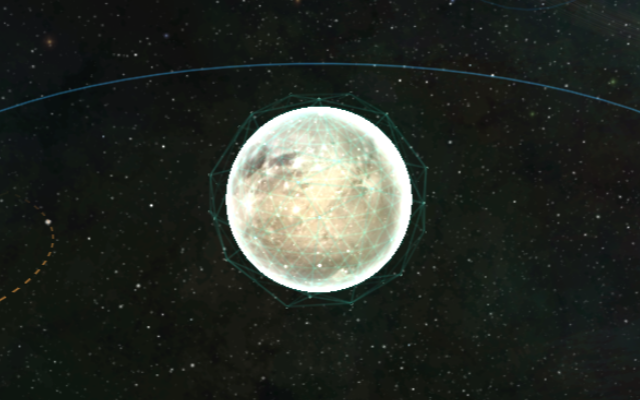
Ganymede (Sol 5c)
Moons
Ganymede (Sol 5c) is a moon of Jupiter (Sol V), United Empire of Earth (UEE). The largest moon in the Sol system, its diameter is greater than that of the planet Mercury (Sol I). Before Ganymede's subsurface ocean was explored in the 25th century SEY, it was popularly speculated…
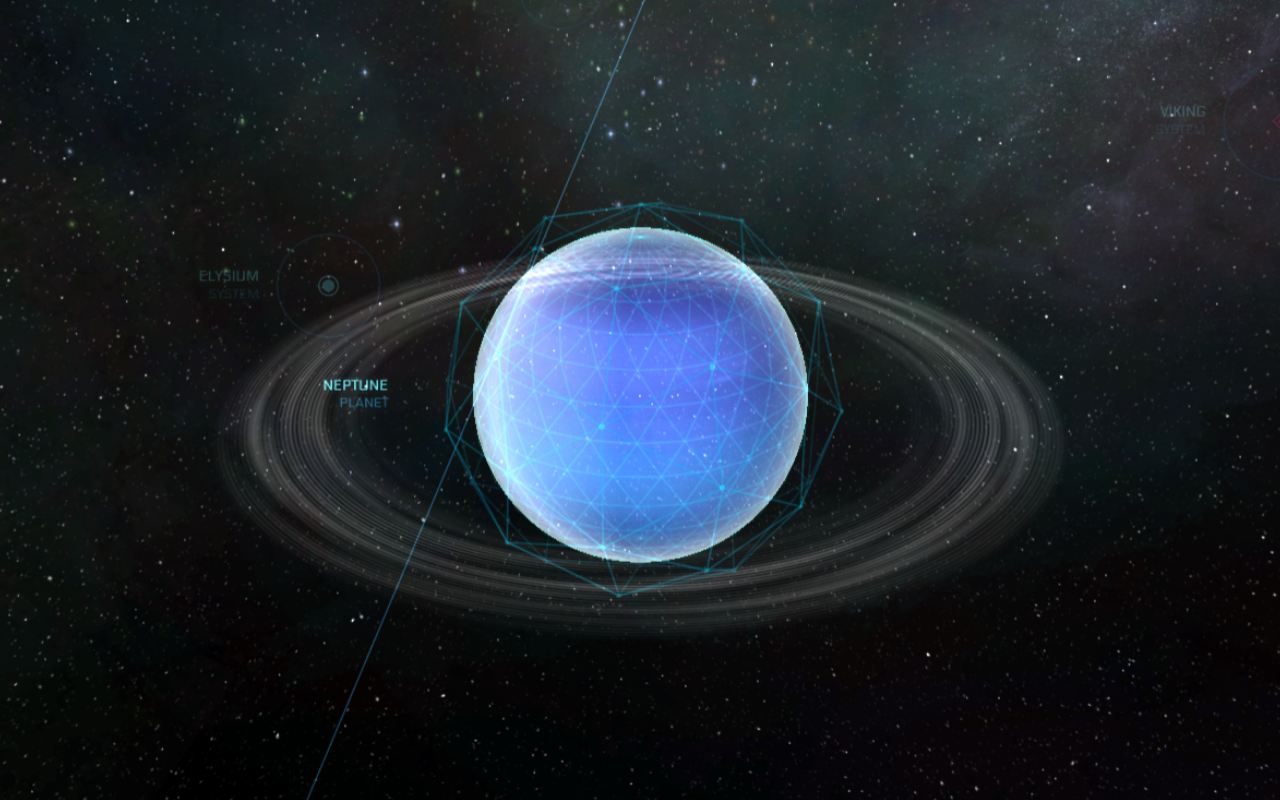
Neptune (Sol VIII)
Planets
Neptune (Sol VIII) is the eighth planet from the sun of the Sol system, United Empire of Earth (UEE). The densest of the Sol system's gas and ice giant planets, its atmosphere contains high proportions of ice and traces of hydrocarbons. Roughly every two-and-a-half centuries…
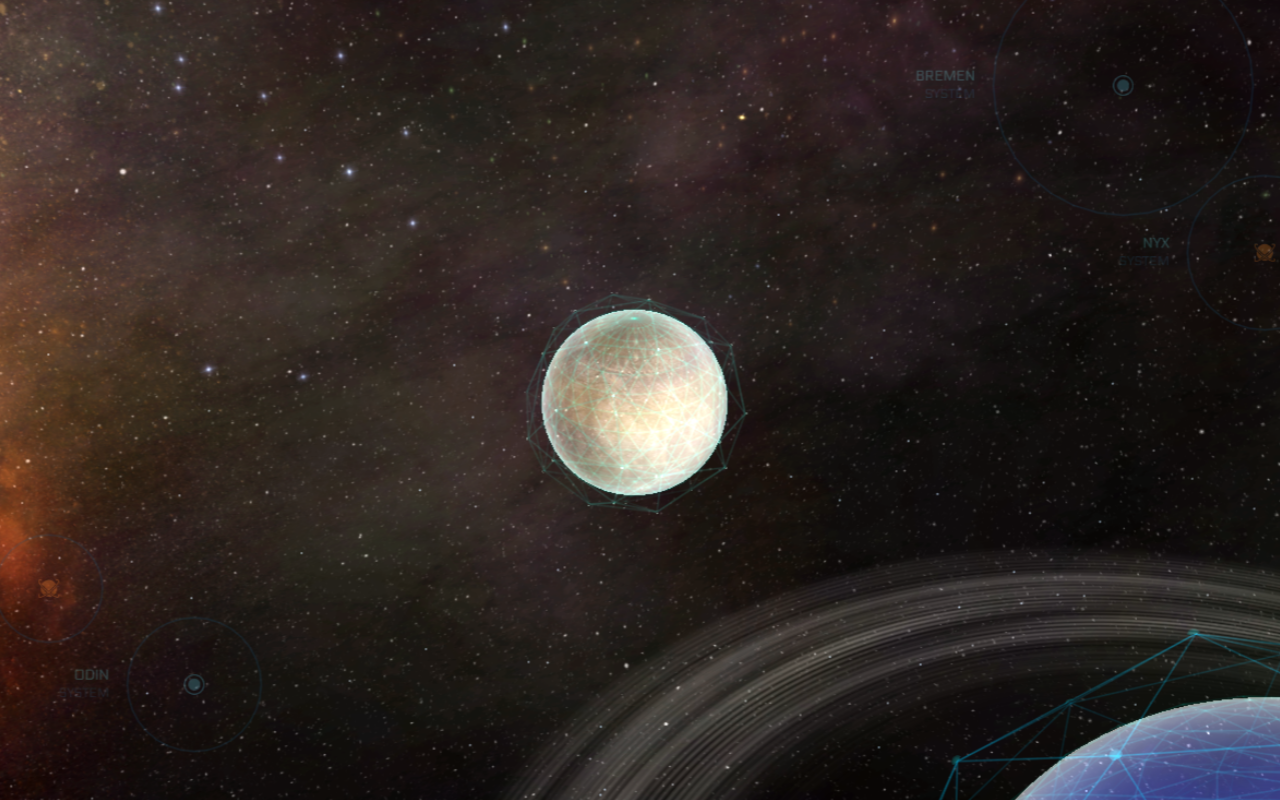
Triton (Sol 8a)
Moons
Triton is a moon of Neptune (Sol VIII), United Empire of Earth (UEE). The largest of Neptune's moons, it the planet's only natural satellite massive enough to have achieved gravitational rounding. Additionally, even though it is a moon, it is larger than all other dwarf planets…
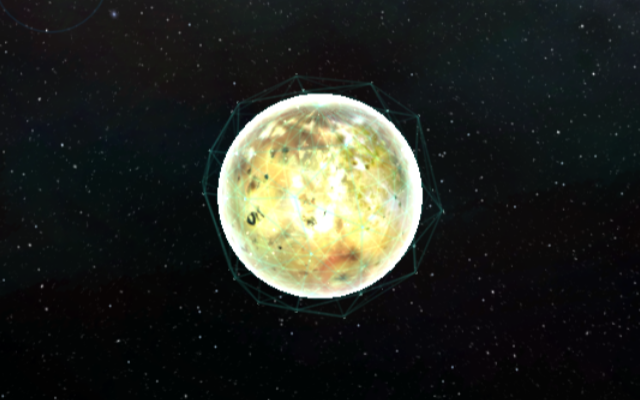
Io (Sol 5a)
Moons
Io (Sol 5a) is a moon of Jupiter (Sol V), United Empire of Earth (UEE). Due to tidal heating and the presence of a subsurface ocean of molten and solid rock, Io is the most geologically active object in the Sol system. Armor manufacturer Caldera utilizes the surface of Io as a…
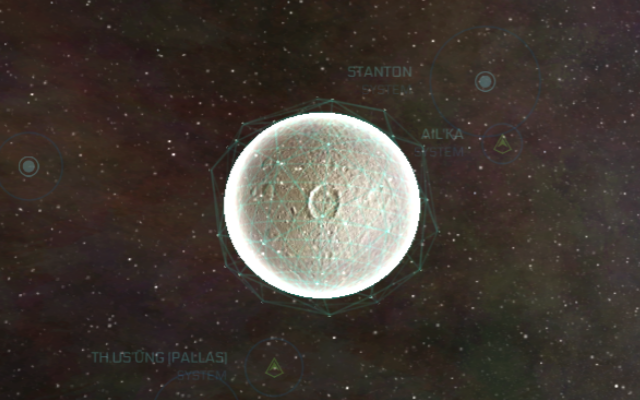
Tethys (Sol 6c)
Moons
Tethys (Sol 6c) is a moon of Saturn (Sol VI), United Empire of Earth (UEE). One of the least dense of all the major moons in the Sol system, it is made almost entirely of water ice. Due to tidal and rotational forces, it is not quite round, taking a slightly elliptical shape.…
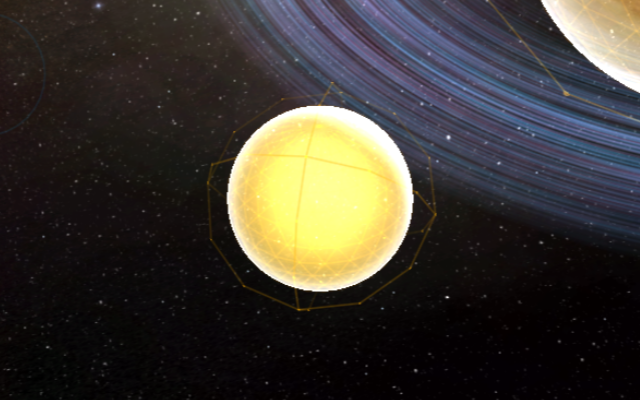
Titan (Sol 6a)
Moons
Titan (Sol 6a) is a moon of Saturn (Sol VI), United Empire of Earth (UEE). The largest of Saturn's moons, its nitrogen-methane atmosphere is denser than that of Earth (Sol III). Titan is dotted with lakes and rivers of liquid hydrocarbons, and its climate has created surface…
Miranda (Sol 7a)
Moons
Miranda (Sol 7a) is a moon of Uranus (Sol VII), United Empire of Earth (UEE). Round and tidally locked, it has an unusually high orbital inclination that suggests in the past that it was in orbital resonance with Umbriel (Sol 7c) for a period of time. Although massive enough to…
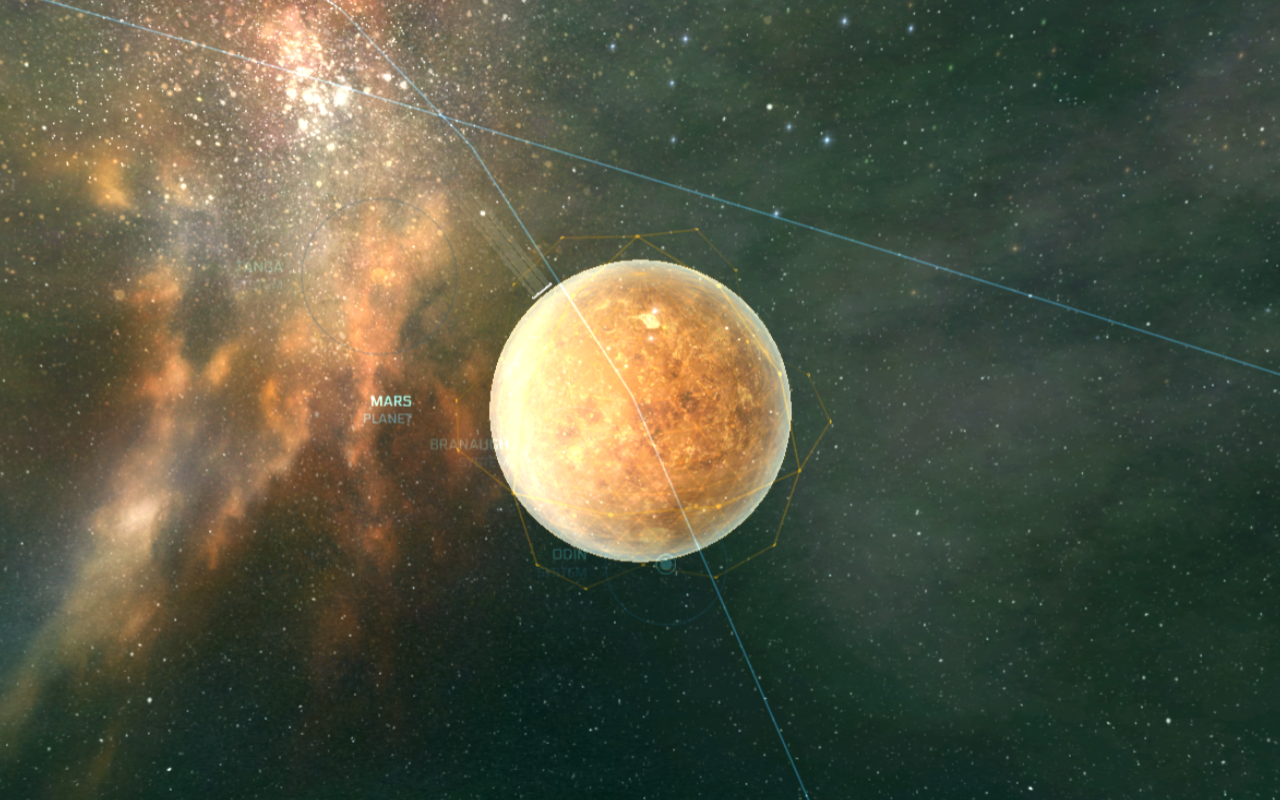
Mars (Sol IV)
Planets
Mars (Sol IV) is the fourth planet from the sun of the Sol system, United Empire of Earth (UEE). Populous and prosperous, it was the first planet Humans successfully terraformed after a disastrous initial attempt and provided a much needed outlet for their population during a…
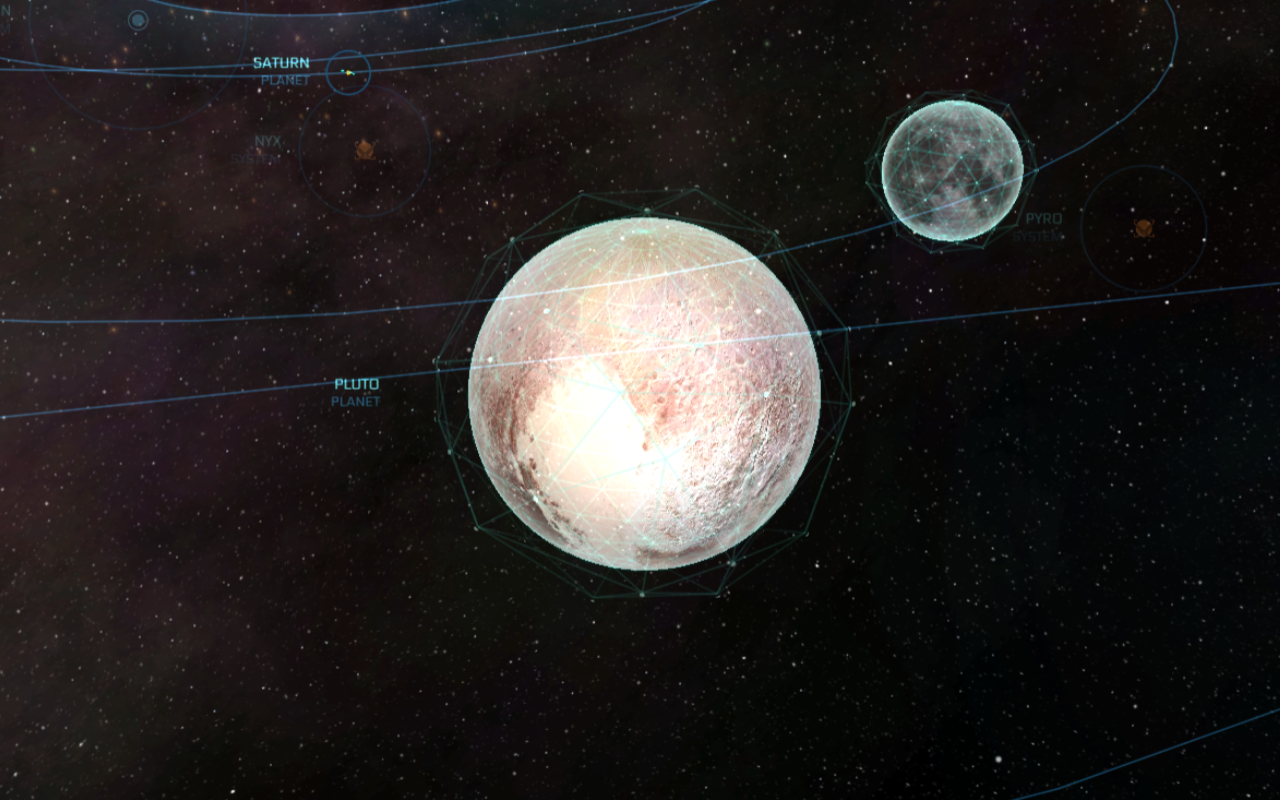
Pluto (Sol IX)
Planets
Pluto (Sol XI) is a dwarf planet and one of the farthest celestial bodies from the sun of the Sol system, United Empire of Earth (UEE). Not the most distant object, it is included as an honorary ninth planet in star charts due to its relative proximity to the Croshaw-Sol jump…

Titania (Sol 7d)
Moons
Titania (Sol 7d) is a moon of Uranus (Sol VII), United Empire of Earth (UEE). The largest of Uranus' moons, its surface is scored with enormous canyons and scarps. Under its surface is a mantle of slushy ice that sits over a solid rocky core. It has a tenuous atmosphere of…

Deimos (Sol 4b)
Moons
Deimos (Sol 4b) is the second and farthest moon from the surface of Mars (Sol IV), United Empire of Earth (UEE). At only 6.2 kilometers in diameter, it bears a strong resemblance to an asteroid. One leading theory proposes that it originated as a part of a larger asteroid that…
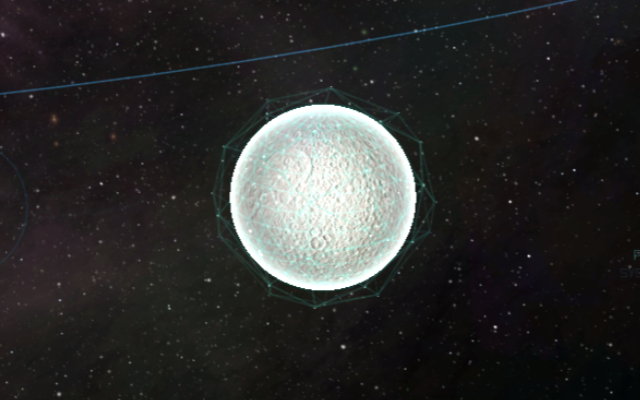
Rhea (Sol 6b)
Moons
Rhea (Sol 6b) is a moon of Saturn (Sol VI), United Empire of Earth (UEE). Composed of water ice and rock, it has numerous high-albedo ice cliffs that appear as streaks on the surface when viewed from space with the naked eye. Although it does experience some endogenic activity…

Oberon (Sol 7e)
Moons
Oberon (Sol 7e) is a moon of Uranus (Sol VII), United Empire of Earth (UEE). Slightly red in color, it likely obtained its hue from the accretion of materials from other parts of the Uranus system. Meteorite impacts have also knocked ice from the surface, leaving dark, non-ice…
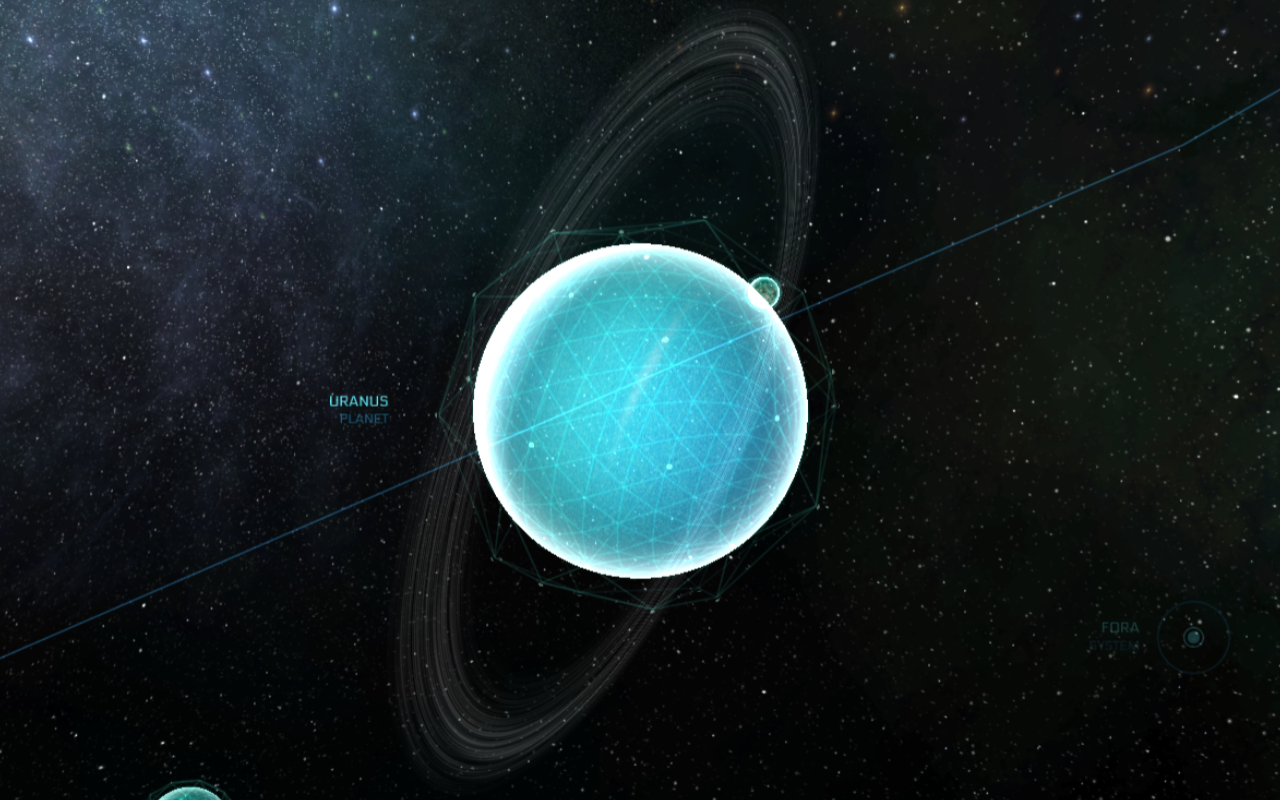
Uranus (Sol VII)
Planets
Uranus (Sol VII) is the seventh planet from the sun of the Sol system, United Empire of Earth (UEE). Pale blue in color, it is an ice giant with an atmosphere that is made mostly of water, ammonia, and methane. The UEE government runs orbital research centers dedicated to the…

Phobos (Sol 4a)
Moons
Phobos (Sol 4a) is the closest moon to Mars (Sol IV), United Empire of Earth (UEE). The larger of the planet's two satellites, it is a non-spheroid object with a jagged surface covered in grooves and streaks. In the next 30 to 50 million years, Phobos will be pulled in by Mars'…
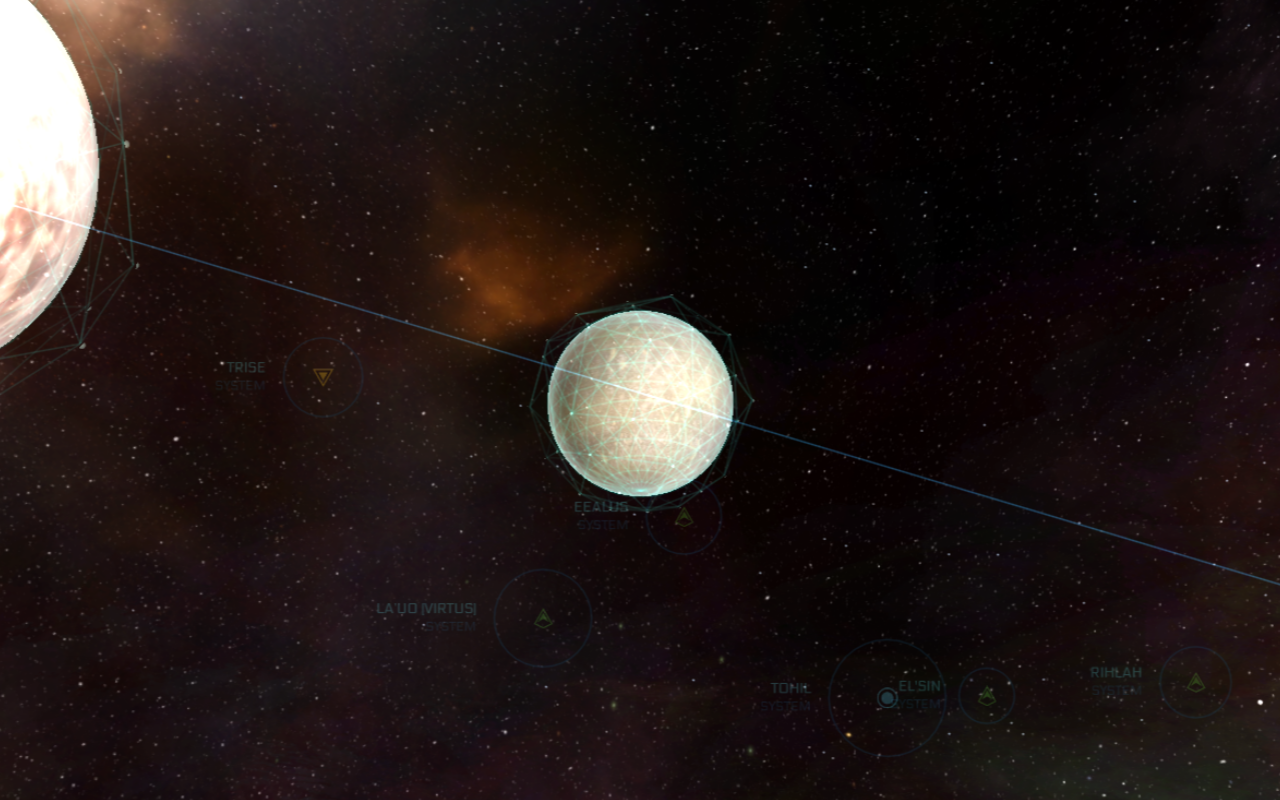
Charon (Sol 9a)
Moons
Charon (Sol 9a) is a moon of Pluto (Sol IX), United Empire of Earth (UEE). The largest of the dwarf planet's five natural satellites, Pluto and Charon are mutually tidally locked to one another and orbit a common barycenter that lies outside Pluto's surface. The two bodies are…

Ariel (Sol 7b)
Moons
Ariel (Sol 7b) is a moon of Uranus (Sol VII), United Empire of Earth (UEE). Scientists speculate that the many scarps, canyons, and ridges carved into the moon's surface were created in the distant past by liquid forms of ammonia, methane, or carbon dioxide. The UEE operates…
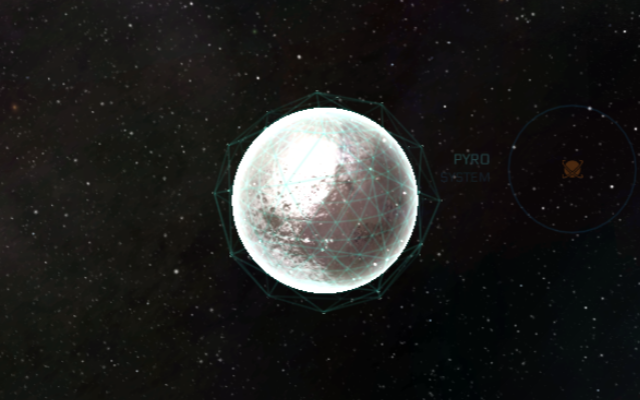
Iapetus (Sol 6e)
Moons
Iapetus (Sol 6e) is a moon of Saturn (Sol VI), United Empire of Earth (UEE). Tidally locked to Saturn, the leading hemisphere of the moon is much darker than that of the trailing hemisphere, giving it a striking two-tone coloration. Dust that has fallen from Saturn's rings over…

Umbriel (Sol 7c)
Moons
Umbriel (Sol 7c) is a moon of Uranus (Sol VII), United Empire of Earth (UEE). One of the darkest in color of the moons of Uranus, one of its larger craters has a ring of reflective material on its floor, making Umbriel appear as if it has a single small eye. Visual artist Tamsa…
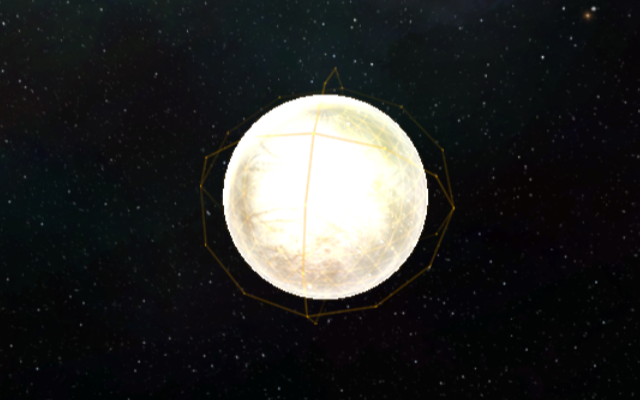
Europa (Sol 5b)
Moons
Europa (Sol 5b) is a moon of Jupiter (Sol V), United Empire of Earth (UEE). Coated with a sheet of water ice that hides a brackish ocean, its surface is crisscrossed with vast cracks that appear when tidal heating induces too much stress upon it. In SEY 2431, single-celled…
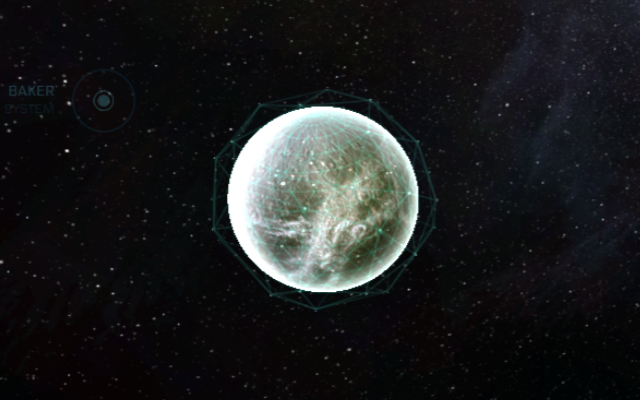
Dione (Sol 6d)
Moons
Dione (Sol 6d) is a moon of Saturn (Sol VI), United Empire of Earth (UEE). Marked with numerous impact craters and chasmata, it is theorized that Dione went through a period of heavy meteor strikes in the distant past that turned the moon 180 degrees on its axis. After the…
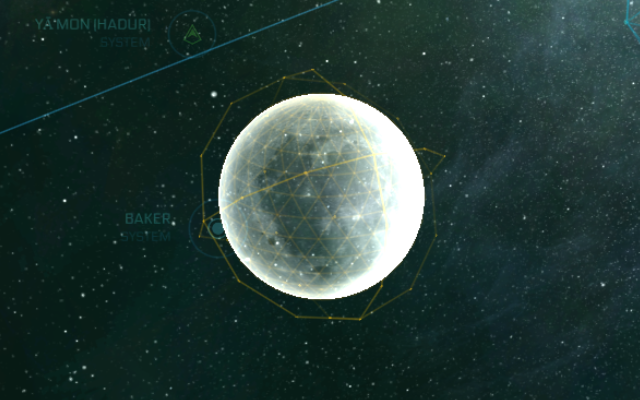
Luna (Sol 3a)
Moons
Luna (Sol 3a) is the moon of Earth (Sol III), United Empire of Earth (UEE). Tidally locked to Earth, it has long been a subject of fascination for Humans, and became the first celestial body they visited in SEY 1969. In the 22nd century, Humans began to experiment with sealed…
Source : Galactapedia et starmap de RSI, via l'API du Star Citizen Wiki.
