La Galactapedia et la starmap de RSI : l'histoire, les peuples, les sociétés et les systèmes du 'Verse.
Textes officiels de RSI, en anglais.
185 articles
Ignis (Pyro 5a)
Moons
Ignis is the innermost moon of the gas giant Pyro V, Pyro system. The canyons and dry riverbeds on its surface suggest that liquid water once flowed there in the distant past. Its frigid average temperature and deadly atmosphere of sulfur dioxide creates an unfriendly…
Tethys (Sol 6c)
Moons
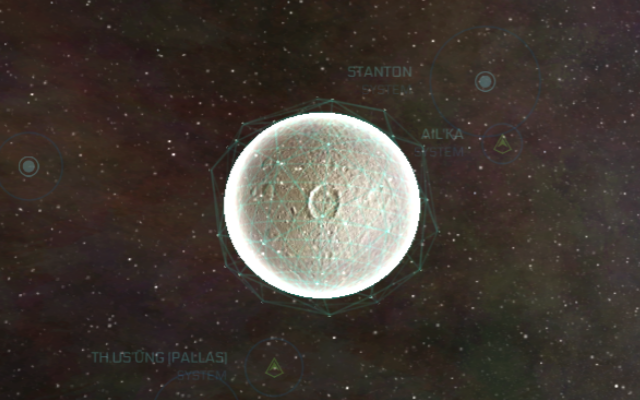
Tethys (Sol 6c) is a moon of Saturn (Sol VI), United Empire of Earth (UEE). One of the least dense of all the major moons in the Sol system, it is made almost entirely of water ice. Due to tidal and rotational forces, it is not quite round, taking a slightly elliptical shape.…
Lanisto (Tyrol 1a)
Moons
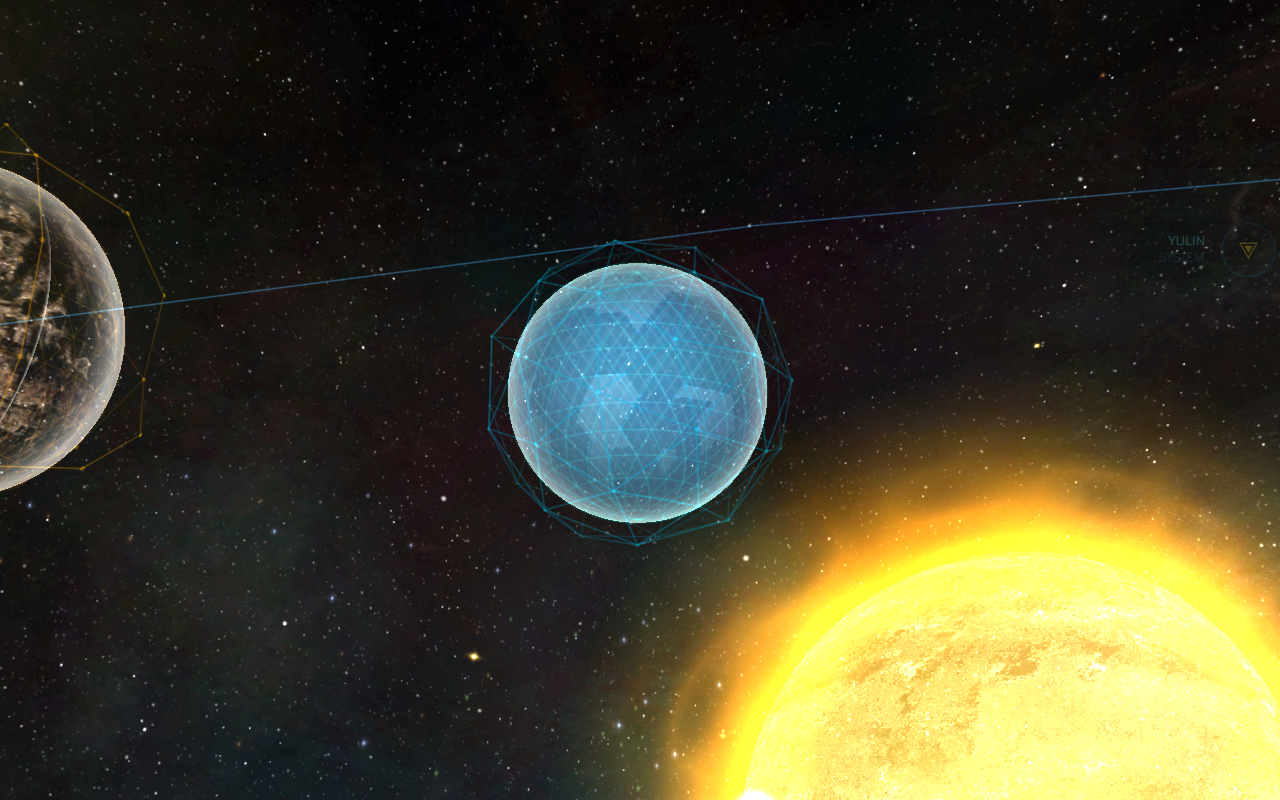
Lanisto (Tyrol 1a) is the moon of Tyrol I, the closest planet to the two stars of the unclaimed Tyrol system. There is evidence that many years in the past, Lanisto was very geologically active. Empty lava caverns provide temporary shelter to those who want to escape the heat of…
Titan (Sol 6a)
Moons
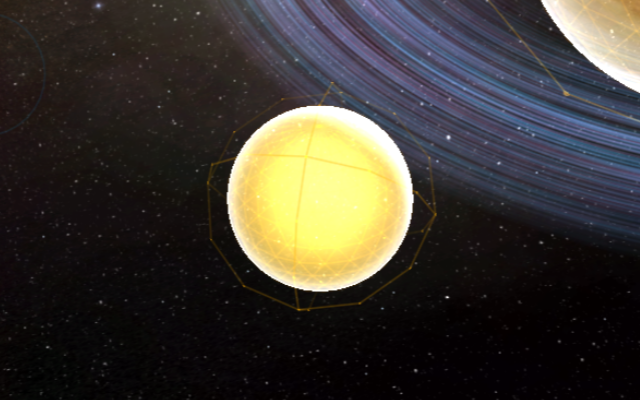
Titan (Sol 6a) is a moon of Saturn (Sol VI), United Empire of Earth (UEE). The largest of Saturn's moons, its nitrogen-methane atmosphere is denser than that of Earth (Sol III). Titan is dotted with lakes and rivers of liquid hydrocarbons, and its climate has created surface…
Min 1d
Moons
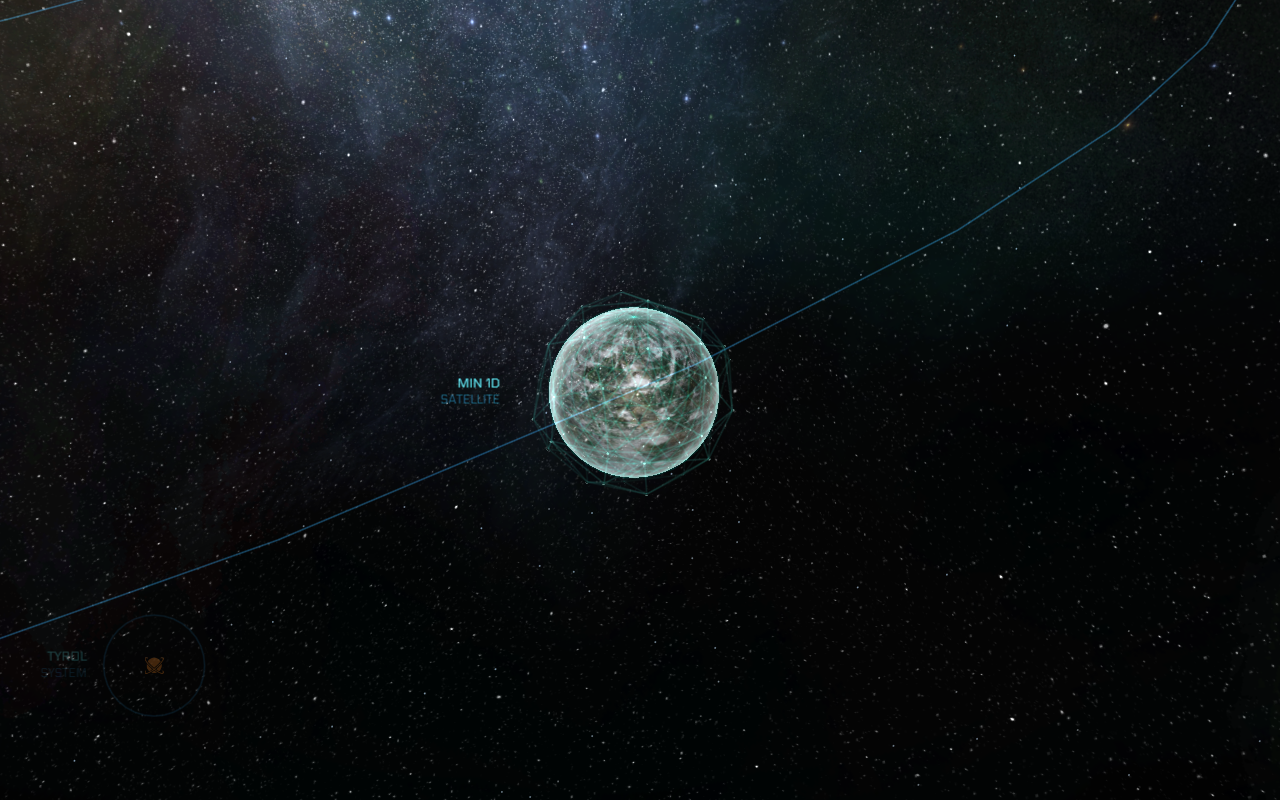
Min 1d is the most distant moon from the rogue planet Min I in the unclaimed Min system. Unlike the other moons in its system, it doesn't experience tidal heating, and has no detectable tectonic activity. Its surface is nearly saturated with craters. So many objects have made…
Ellis 5b
Moons
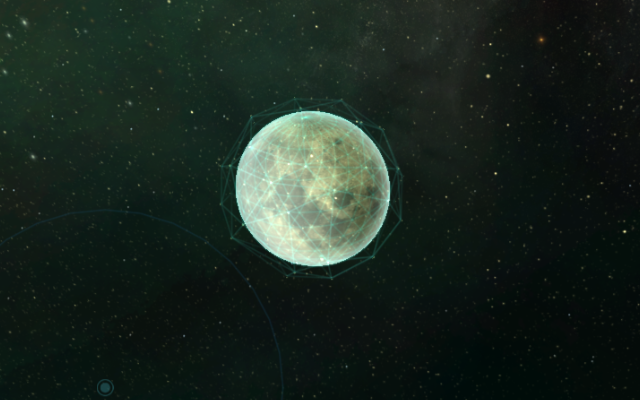
Ellis 5b is the second moon of Noble (Ellis V), United Empire of Earth (UEE), and is tidally locked to the planet. Nearly three times larger than its sister moon Ellis 5a, the light reflected off its pristine white surface is sometimes bright enough that Ellis 5a becomes…
Min 1c
Moons
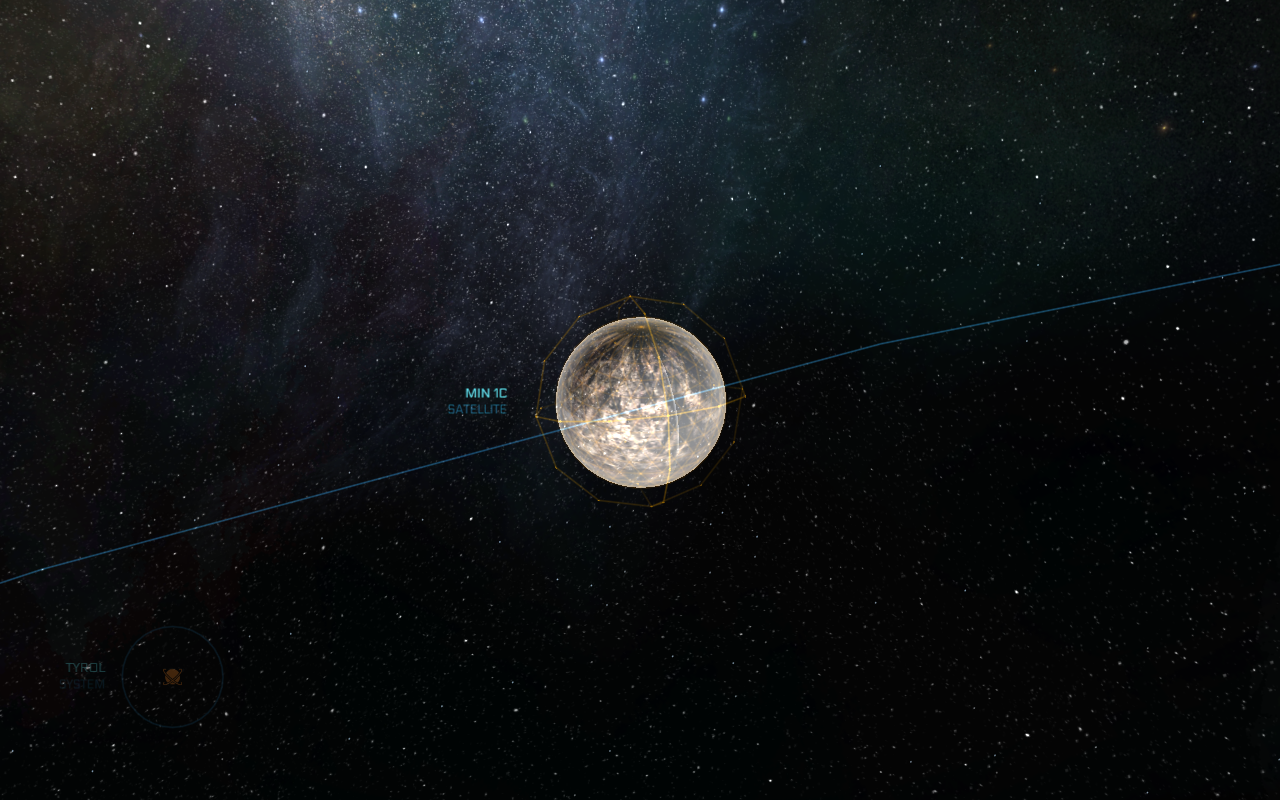
Min 1c is the third moon from the rogue planet Min I in the unclaimed Min system. The smallest of the four moons, it has a thin atmosphere of nitrogen and carbon dioxide, and is composed of rocky material and water ices. Like its neighbors, Min 1c experiences tidal heating,…
Dione (Sol 6d)
Moons
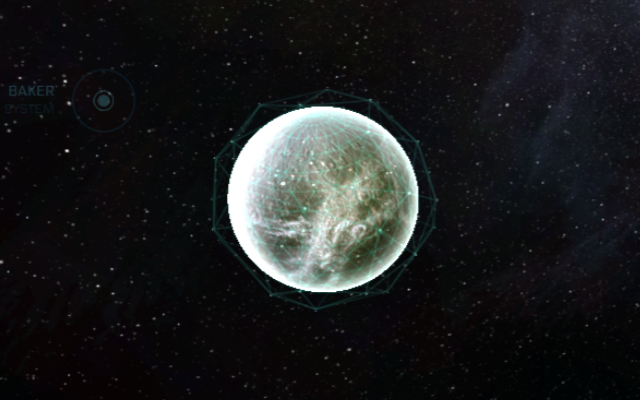
Dione (Sol 6d) is a moon of Saturn (Sol VI), United Empire of Earth (UEE). Marked with numerous impact craters and chasmata, it is theorized that Dione went through a period of heavy meteor strikes in the distant past that turned the moon 180 degrees on its axis. After the…

Deimos (Sol 4b)
Moons
Deimos (Sol 4b) is the second and farthest moon from the surface of Mars (Sol IV), United Empire of Earth (UEE). At only 6.2 kilometers in diameter, it bears a strong resemblance to an asteroid. One leading theory proposes that it originated as a part of a larger asteroid that…
Caliban 3a
Moons
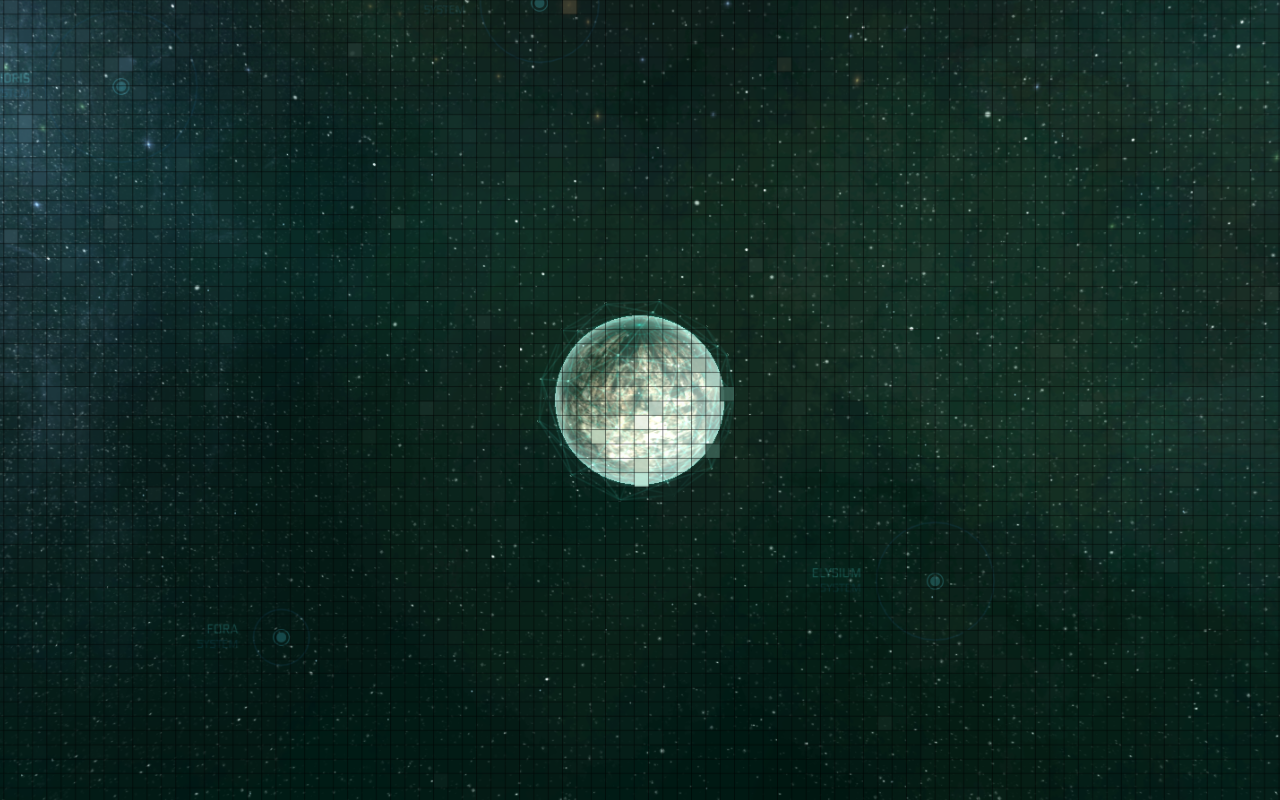
Caliban 3a is the first moon from the surface of Caliban III, Caliban system, located in Vanduul territory. Large and lumpy in appearance, astronomers speculate that it is the leftover nucleus of a planet that failed to coalesce into a planet. The Vanduul have been observed…
Adir (Pyro 5c)
Moons
Adir is the third moon from the gas giant Pyro V, Pyro system. Jagged mountains and rocky hills dominate its crater-ridden landscape. Because it lacks a protective atmosphere that would otherwise break apart most approaching celestial objects, its surface sees frequent impacts.…
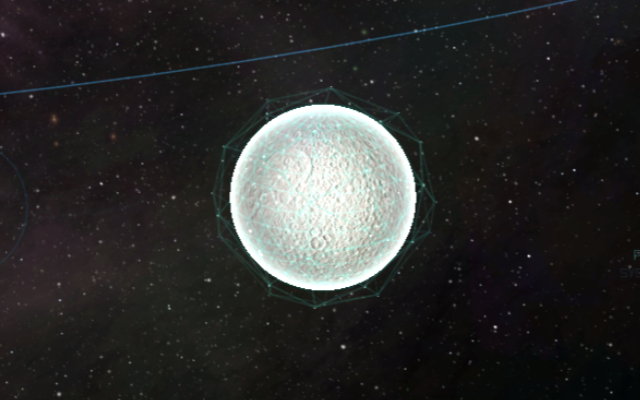
Rhea (Sol 6b)
Moons
Rhea (Sol 6b) is a moon of Saturn (Sol VI), United Empire of Earth (UEE). Composed of water ice and rock, it has numerous high-albedo ice cliffs that appear as streaks on the surface when viewed from space with the naked eye. Although it does experience some endogenic activity…
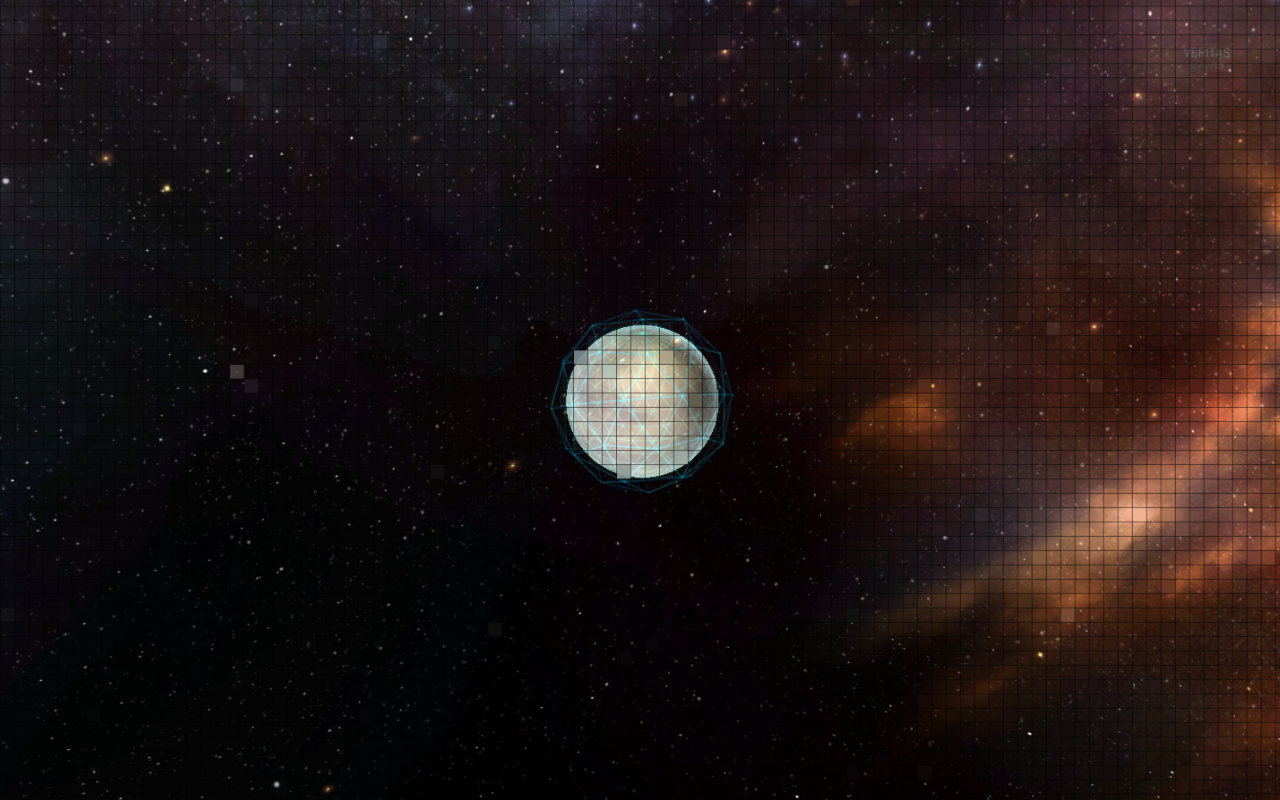
Caliban 4e
Moons
Caliban 4e is the fifth moon from the gas giant Caliban IV, Caliban system, located in Vanduul territory. Frigidly cold, it has a surface that is coated in mostly frozen nitrogen mixed with some water ice. It is geologically active, and is covered with cryovolcanoes that spew…

Oberon (Sol 7e)
Moons
Oberon (Sol 7e) is a moon of Uranus (Sol VII), United Empire of Earth (UEE). Slightly red in color, it likely obtained its hue from the accretion of materials from other parts of the Uranus system. Meteorite impacts have also knocked ice from the surface, leaving dark, non-ice…

Phobos (Sol 4a)
Moons
Phobos (Sol 4a) is the closest moon to Mars (Sol IV), United Empire of Earth (UEE). The larger of the planet's two satellites, it is a non-spheroid object with a jagged surface covered in grooves and streaks. In the next 30 to 50 million years, Phobos will be pulled in by Mars'…
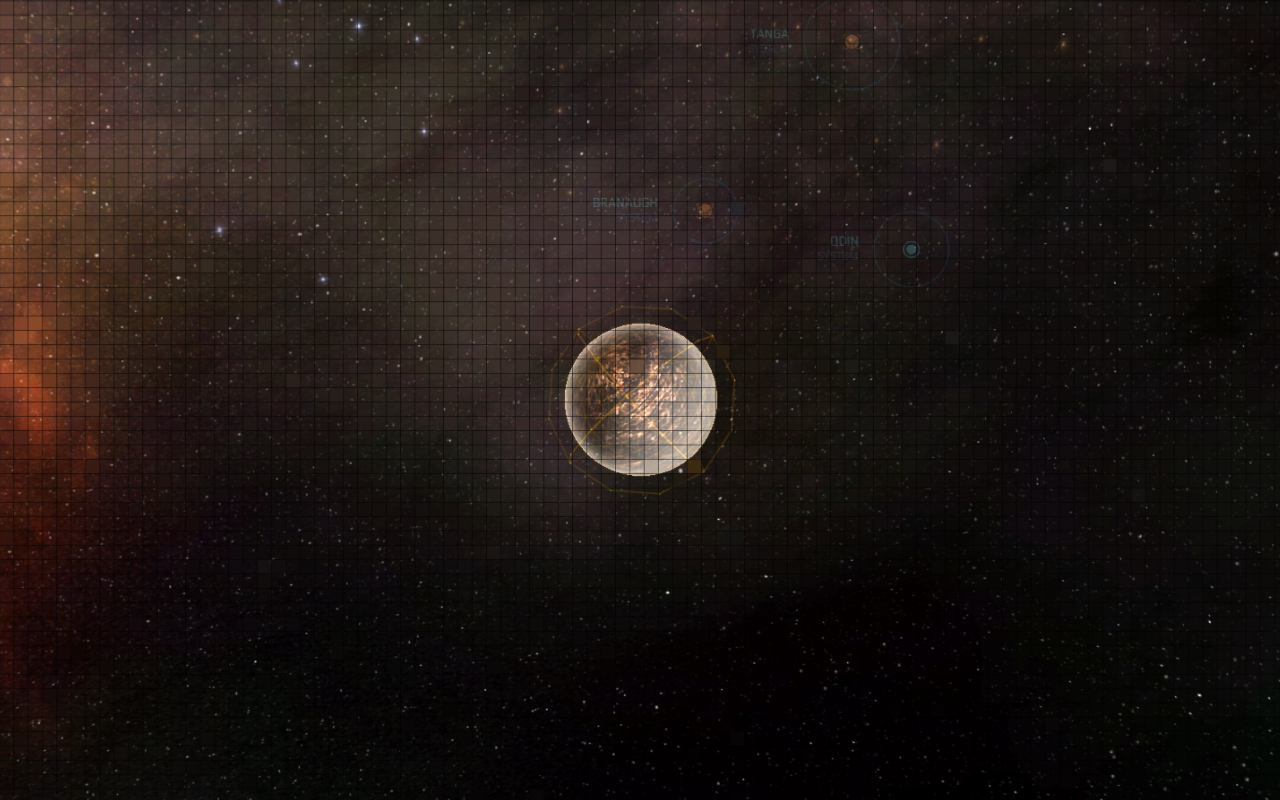
Caliban 4f
Moons
Caliban 4f is the sixth moon from the gas giant Caliban IV, Caliban system, located in Vanduul territory. Rich in carbon, it is dark in color, and reflects very little light from its distant sun. Copious tholins caused by millenia of ultraviolet radiation cast a reddish tint on…
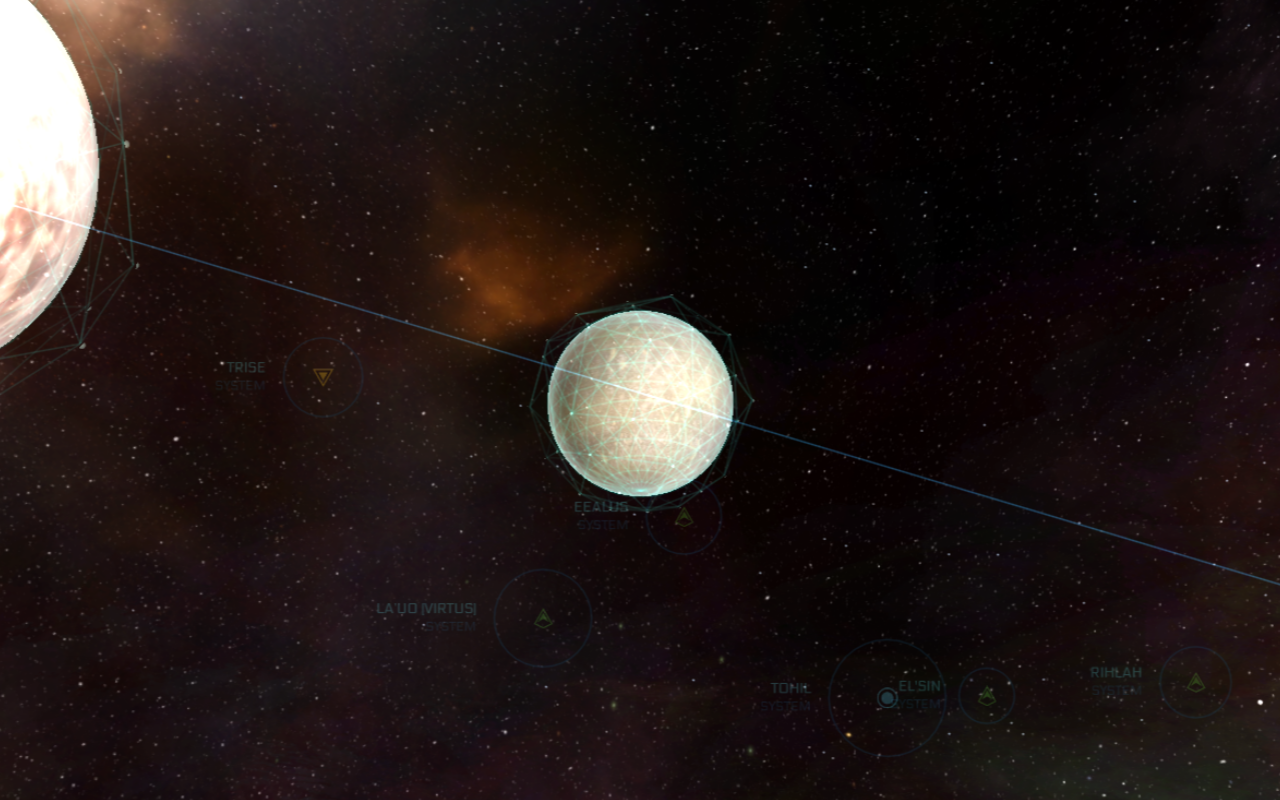
Charon (Sol 9a)
Moons
Charon (Sol 9a) is a moon of Pluto (Sol IX), United Empire of Earth (UEE). The largest of the dwarf planet's five natural satellites, Pluto and Charon are mutually tidally locked to one another and orbit a common barycenter that lies outside Pluto's surface. The two bodies are…
Vatra (Pyro 5b)
Moons
Vatra is the second moon from the gas giant Pyro V, Pyro system. Its thick, high-pressure atmosphere of nitrogen and methane supports an ecosystem of plants that subsist on hydrocarbons instead of carbon dioxide. Some water is present on Vatra in the form of ice, but it is too…
Callisto (Sol 5d)
Moons
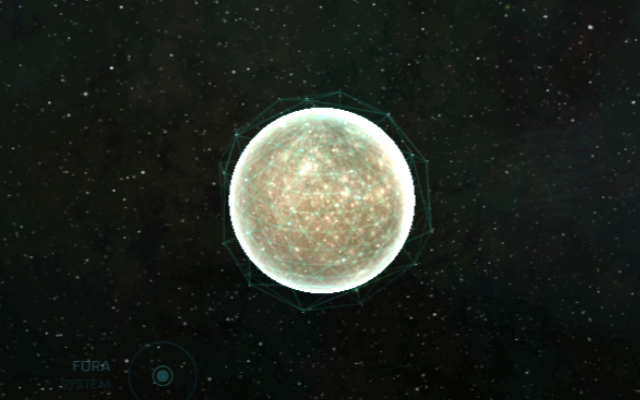
Callisto (Sol 5d) is a moon of Jupiter (Sol V), United Empire of Earth (UEE). Of all the celestial bodies in the Sol system, Callisto's surface is the most heavily cratered. Because it has never been geologically active, it is home to multiple sealed settlements and a handful of…
Gainey (Odin 1a)
Moons
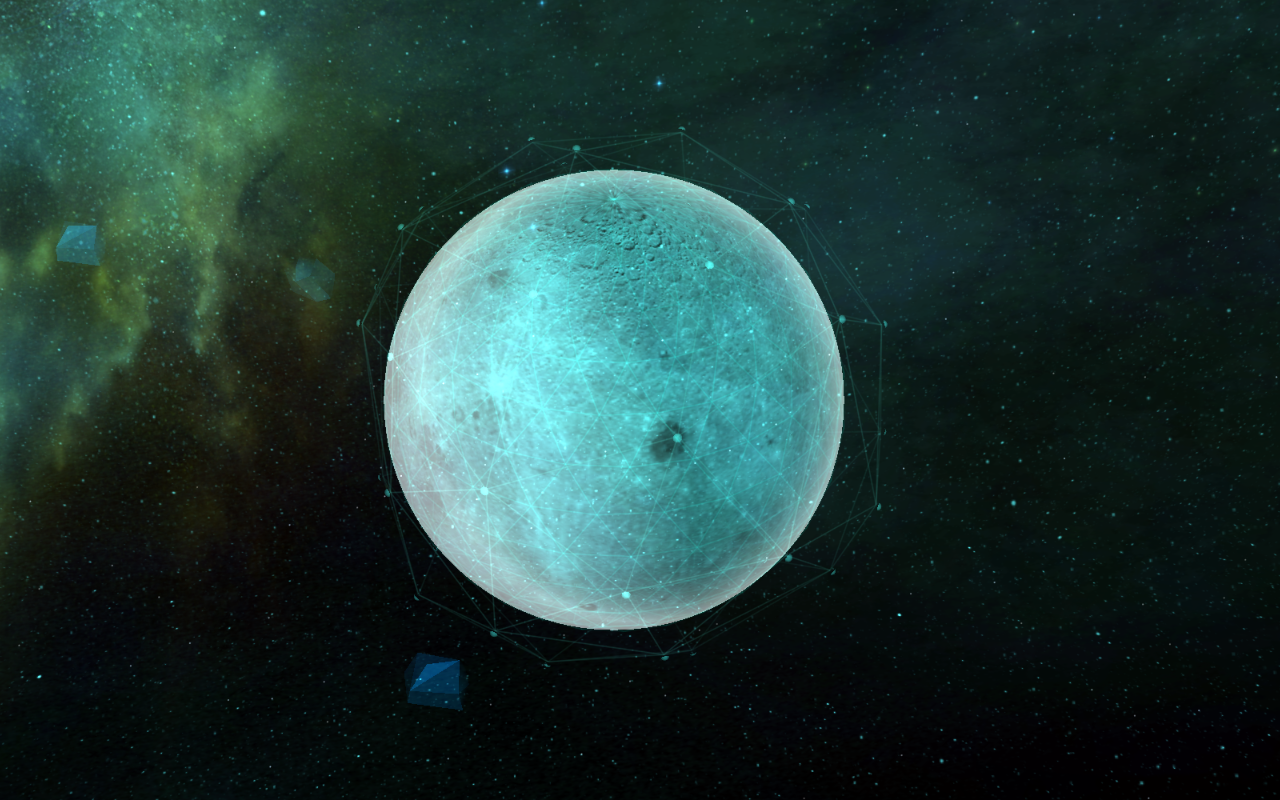
Gainey (Odin 1a) is the former moon of Odin I, Odin system, United Empire of Earth (UEE). After Odin I was destroyed, it slipped into a stable orbit around the system's sun close to its parent planet's remains. It has a breathable atmosphere, and was the home of many fracking…
Io (Sol 5a)
Moons
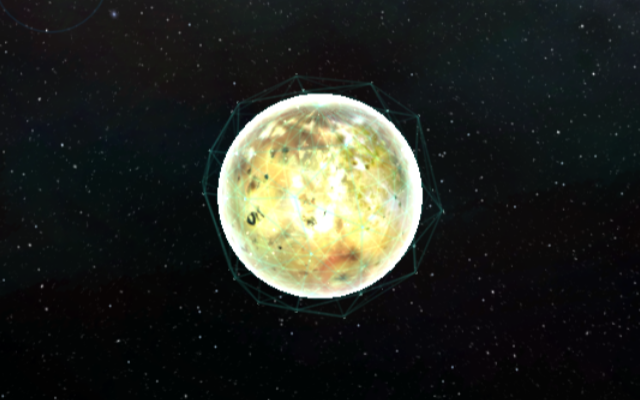
Io (Sol 5a) is a moon of Jupiter (Sol V), United Empire of Earth (UEE). Due to tidal heating and the presence of a subsurface ocean of molten and solid rock, Io is the most geologically active object in the Sol system. Armor manufacturer Caldera utilizes the surface of Io as a…
Caliban 4c
Moons
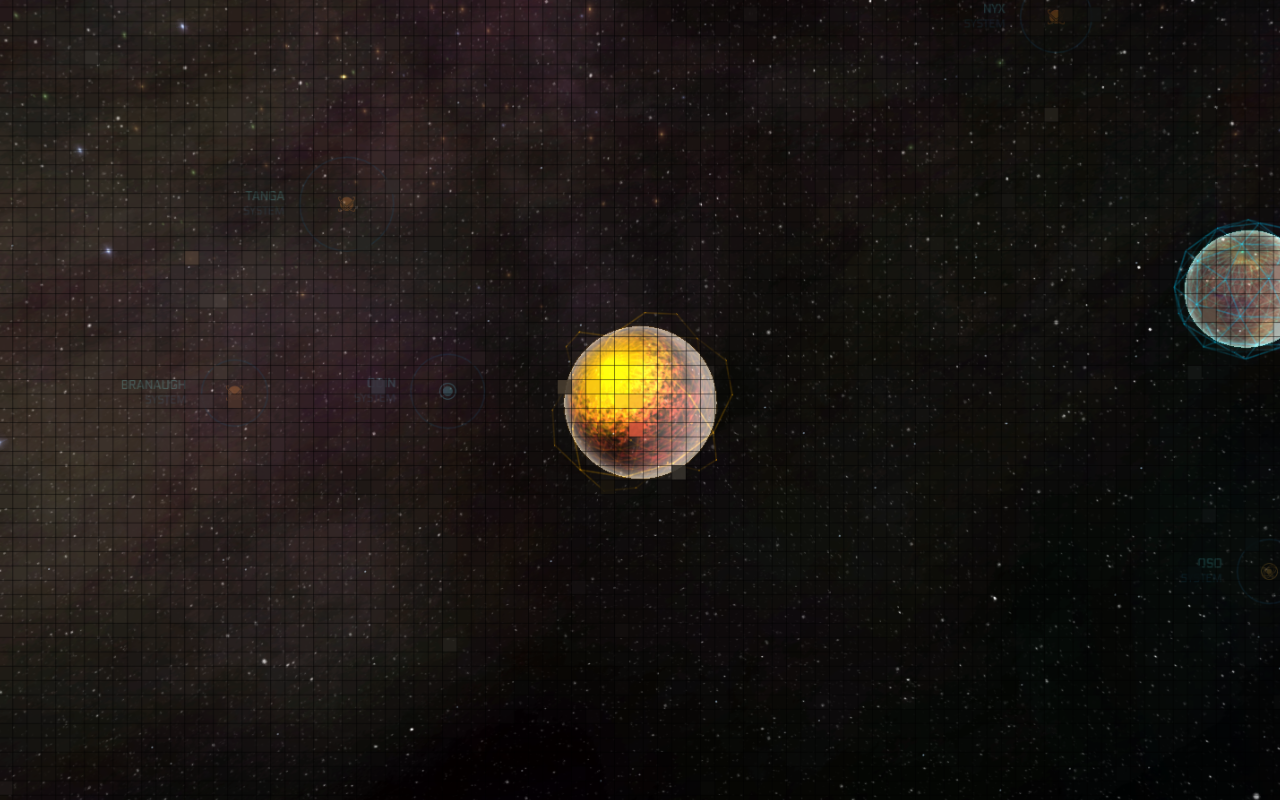
Caliban 4c is the third moon from the gas giant Caliban IV, Caliban system, located in Vanduul territory. Small and dark, its reddish-brown surface is dusted with iron oxide. The abundant presence of carbon dioxide in the atmosphere causes any iron in the dust to oxidize and…
Fuego (Pyro 5e)
Moons
Fuego is the fifth moon from the gas giant Pyro V, Pyro system. Relatively temperate but still cold, it has a mostly carbon dioxide atmosphere with small percentages of nitrogen, sulfur dioxide, and oxygen. High amounts of iron-sulfide in its soil gives its surface a yellow and…
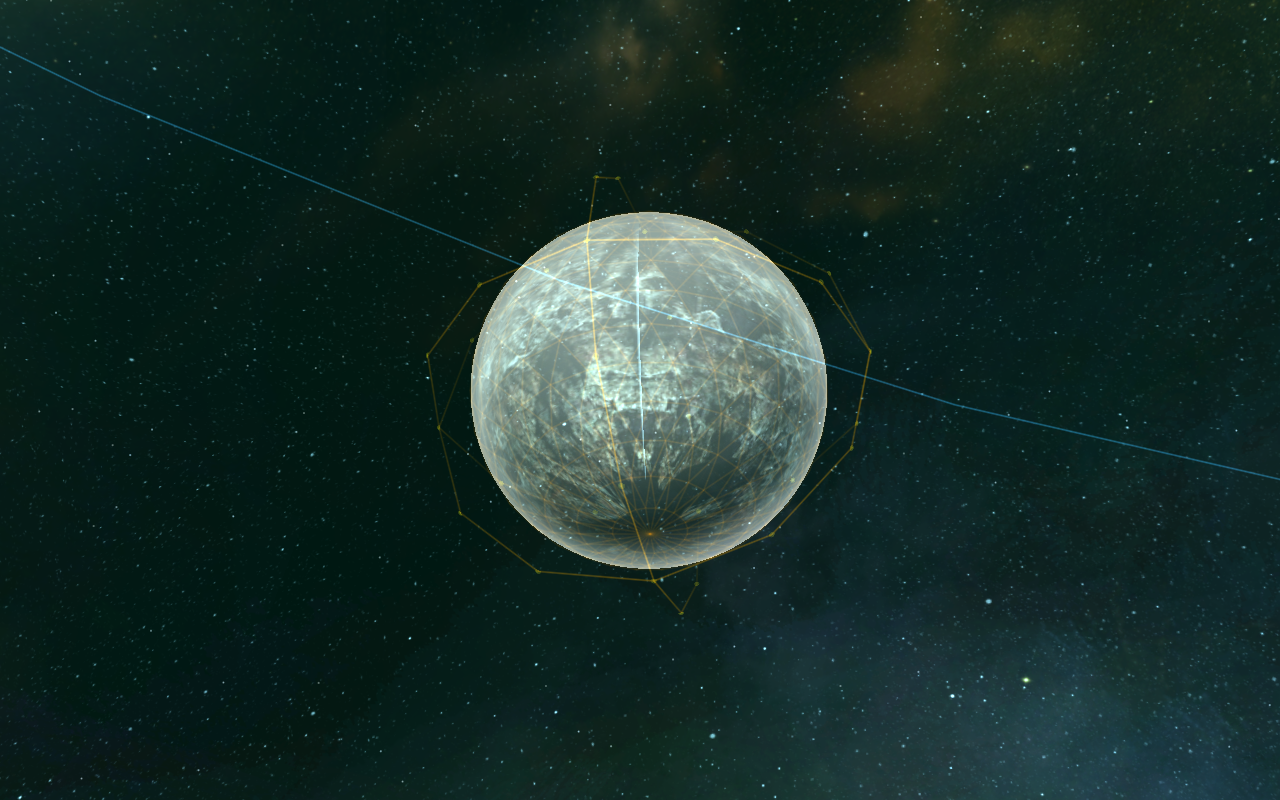
Marama (Helios 2a)
Moons
Marama (Helios 2a) is the moon of Tangaroa (Helios II), United Empire of Earth (UEE). Its dense iron and nickel core combined with a very fast orbital period of 4.3 SED contribute to its parent planet's strong tidal forces, sometimes causing waves hundreds of meters high. Like…
Source : Galactapedia et starmap de RSI, via l'API du Star Citizen Wiki.
